






What is the project
The Retail Innovation Lab (RIL) studies how consumers perceive and respond to emerging retail technologies such as Artificial Intelligence (AI), computer vision, and sensor integration. It is for retailers, technology providers, and academic stakeholders who need evidence on consumer behaviour and technology adoption to design more seamless and sustainable shopping experiences.
Project at a glance
Focus: Research on consumer response to emerging retail technologies (Artificial Intelligence (AI), computer vision, sensor integration) and sustainability in retail
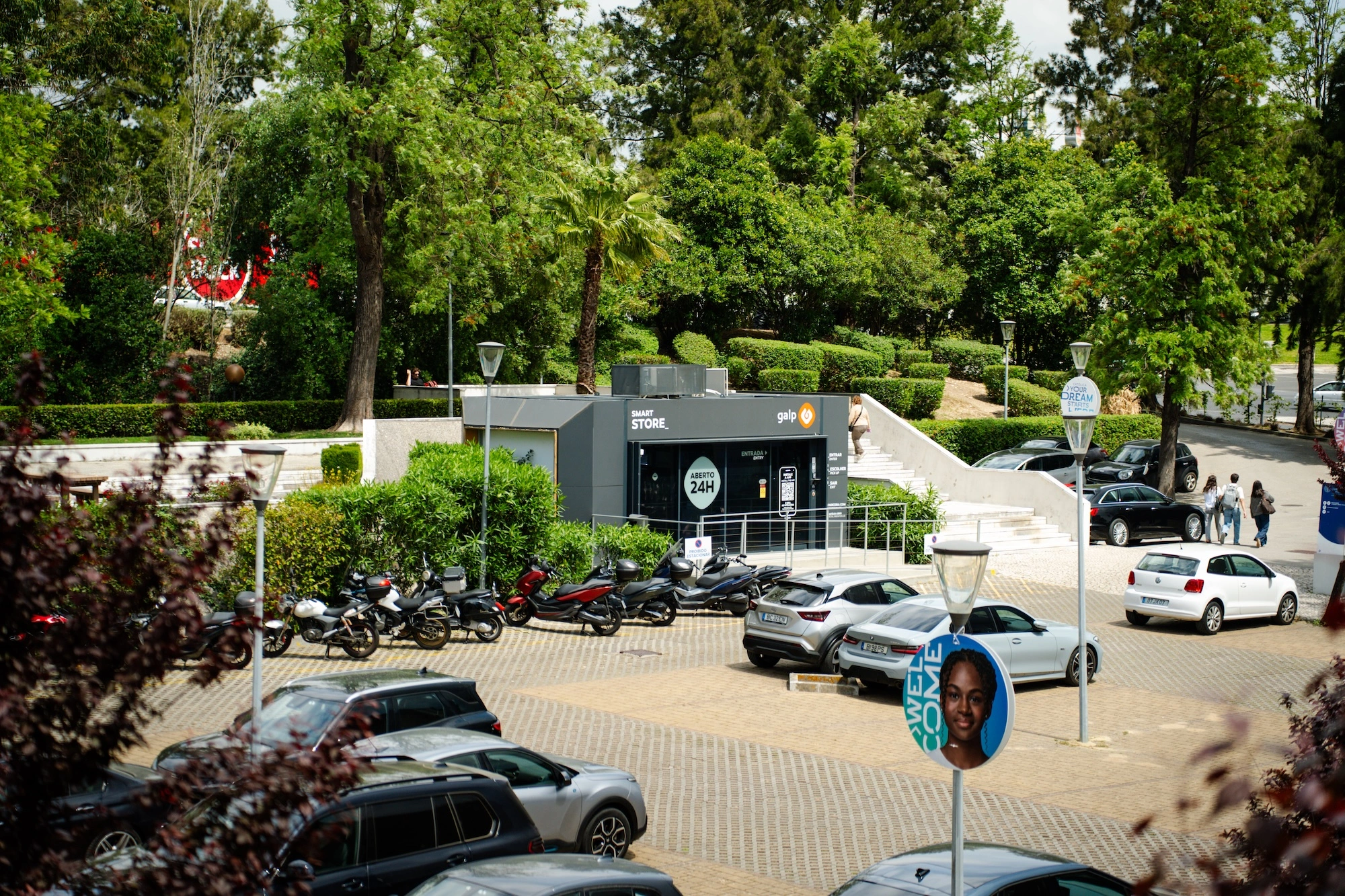
Key demonstrators: GALP Smart Store (fully automated) at Universidade Católica Portuguesa (UCP) Lisbon campus; national studies on sustainability and retail technology; Retail Innovation Dissertation Seminar
Operation: Retail research, real-world experimentation, and consumer behaviour and assortment analysis
Primary pilot locations: UCP Lisbon campus (GALP Smart Store)
Objectives
- Study how consumers perceive and respond to AI, computer vision, and sensor integration in retail.
- Use a real-world autonomous store to research consumer interactions, assortment efficiency, and store management processes.
- Analyse ideal product assortments for autonomous stores to improve satisfaction and operational efficiency.
- Examine sustainable practices in retail to inform green policies and solutions.
- Assess adoption, impact, barriers, and drivers of technology innovation in Portuguese retail companies.
What we delivered
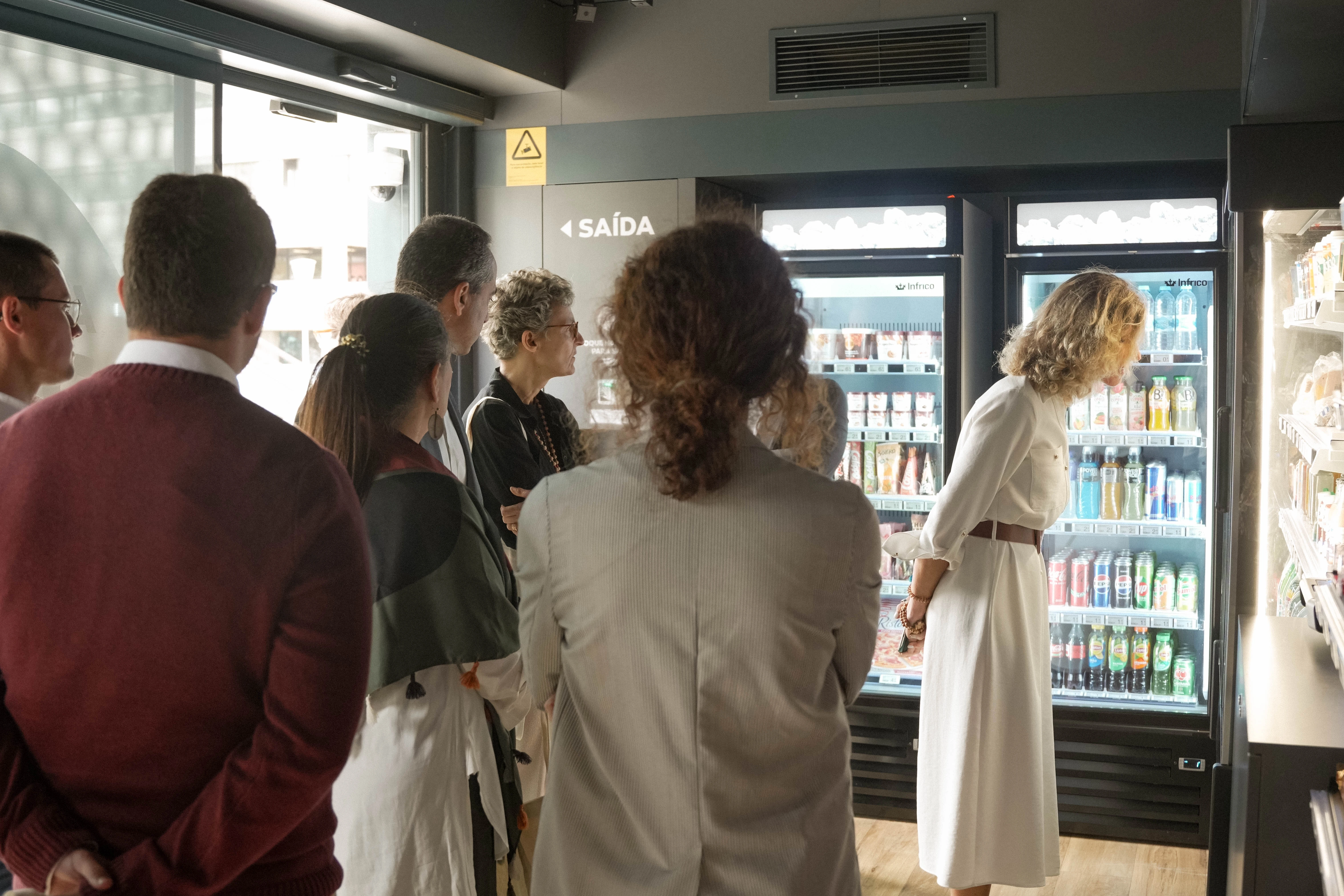
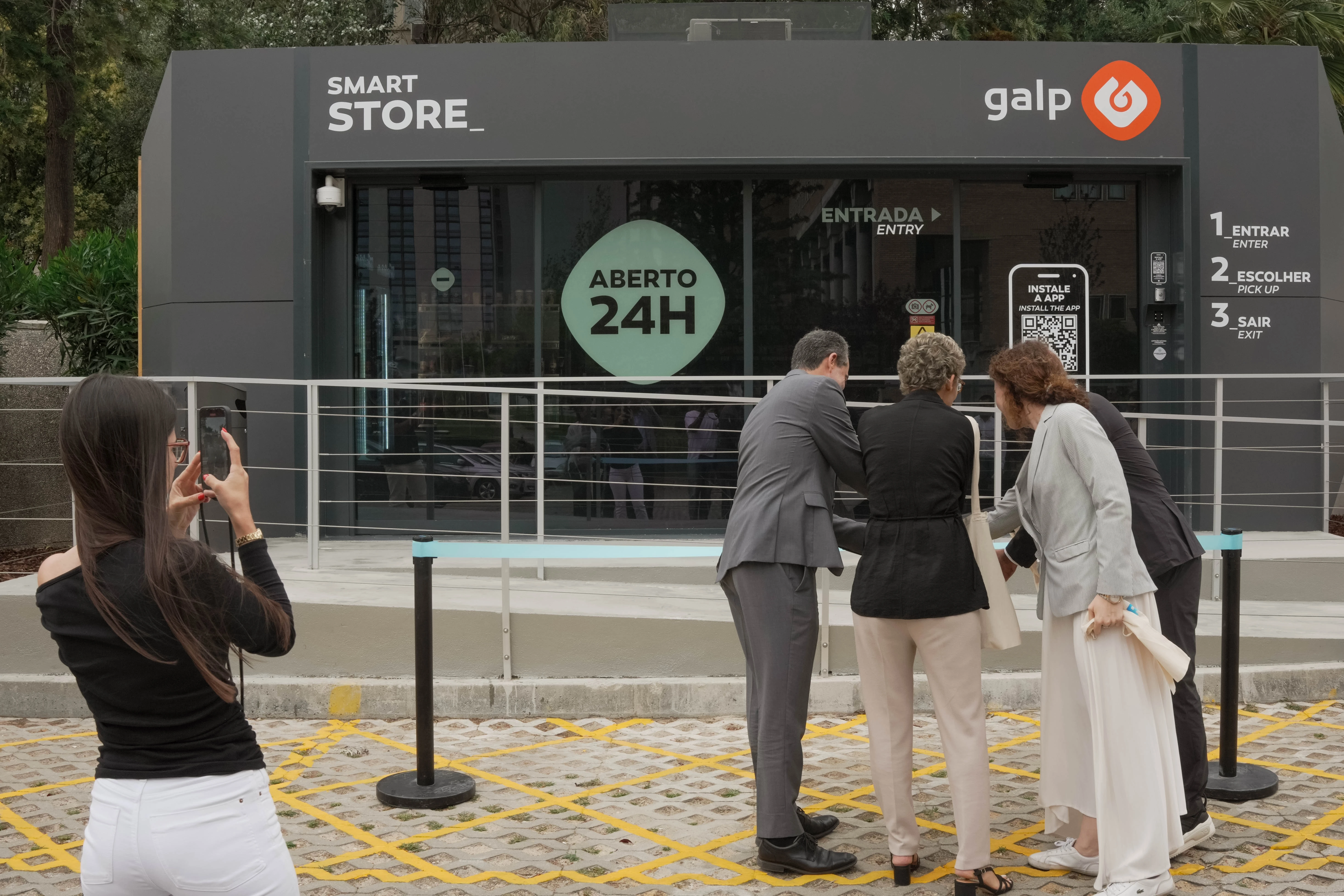
RIL supported the opening, installation, and monitoring of the GALP Smart Store on the UCP Lisbon campus (June 2024) as a fully automated, real-world testing environment for retail technologies and a convenience solution for students and staff, generating data for consumer behaviour research, assortment analysis, and AI implementation; ongoing work includes research on optimal assortments for autonomous stores, a national research project on sustainability in retail, a national study on technology adoption and trends in Portuguese retail companies, and a Dissertation Seminar supporting four Masters students focused on retail innovation topics.
Metrics / KPIs
% Female workers
Value: 66%
Notes: At the Retail Innovation Lab, rather than focusing on traditional product category development, our work emphasizes data-driven insights and consumer-centered research to inform and optimize product assortment strategies for emerging retail formats. We have developed several detailed reports to support this mission, including:• Perception of Autonomous Stores in Portugal: An extensive nationwide study capturing insights from over 1,000 consumers across Portugal. This report explores how consumers perceive and what they expect from autonomous retail environments, offering valuable findings to guide the future of automated retail.• Assortment Analysis for Convenience Stores: This research examines consumer expectations regarding product selection in convenience retail, with a dedicated focus on autonomous formats. A key part of this analysis is centered on the GALP Smart Store at the Católica Lisbon campus, where we assessed the optimal product mix to align with student and staff preferences.• Consumer Patterns and Sales Forecasting at the GALP Smart Store: We conducted a detailed study of consumer behavior at the GALP Smart Store, including time-series modeling of sales trends. This analysis integrates academic calendar fluctuations to better understand demand cycles and forecast store performance more accurately.
No. of Research scholarships
Value: 3
No. of publications
Value: 2
Notes: 1. Technology and Retail: Customer Perceptions and Future Expectations in Portugal
This paper examines consumer attitudes toward Autonomous Stores in Portugal from 2021 to 2024. Using a longitudinal dataset of over 5,000 observations, it explores consumer preferences, trust in retail technologies, and key drivers of digital retail adoption.
2. Inflation’s Impact on the Willingness to Pay for Sustainable Products: Insights from Longitudinal Consumer Behavior Studies in Portugal (2021–2024)
This study investigates how inflation influences consumer willingness to pay a premium for sustainable goods, drawing on data from more then 5,000 survey responses. The findings highlight how economic pressures challenge green consumer behavior and offer policy recommendations to encourage sustainable purchasing.
No. of training activities undertaken and no. of trainees
Value: 4
Notes: As part of its commitment to developing the next generation of retail innovators, we launched a dedicated Retail Innovation Dissertation Seminar. This academic initiative supports four Master’s students from Católica Lisbon School of Business & Economics, whose research explores current and emerging trends in retail innovation.These dissertation projects function as hands-on training activities, combining academic rigor with real-world application.
No. of events to disseminate the Agenda's results (fairs, exhibitions, conferences, etc.) in which you have already taken part
Value: 3
Notes: 2 internships in Navigation and Control; 1 internship in Operational Management.
Events attended
Value: 3
Notes: RIL has actively contributed to the dissemination of the Agenda’s results through a range of academic and public engagement activities. Key events include:• Assembleia Geral da Agenda: RIL hosted one of the key events, where we shared updates and strategic insights on ongoing research and innovation projects under the Agenda.• 4th Conference on Innovation, Sustainability, and Regeneration: We submitted and presented our study titled “Inflation’s Impact on the Willingness to Pay for Sustainable Products: Insights from Longitudinal Consumer Behavior Studies in Portugal (2021–2024).” This work generated meaningful discussion around consumer trends in sustainability under economic pressure, further raising the visibility of our research contributions.• Launch of the GALP Smart Store at Católica Lisbon: More than just a research initiative, the launch served as a major public dissemination event. The store offers a real-world demonstration of cutting-edge retail technologies, allowing stakeholders including students, faculty, industry partners, and the media, to engage directly with innovations in AI, computer vision, and autonomous retail. The launch was supported by targeted communication efforts to maximize awareness and impact.
Summary
The Retail Innovation Lab (RIL) researches consumer behaviour and technology adoption in retail, focusing on Artificial Intelligence (AI), computer vision, sensor integration, and sustainability. A key initiative is the GALP Smart Store at the Universidade Católica Portuguesa (UCP) Lisbon campus (opened June 2024), used as a real-world environment for experimentation and data collection on consumer interactions, assortment performance, and store management. RIL also runs national studies on sustainability and retail technology trends, and supports Masters research through a dissertation seminar.

.webp)



