






















What is the project
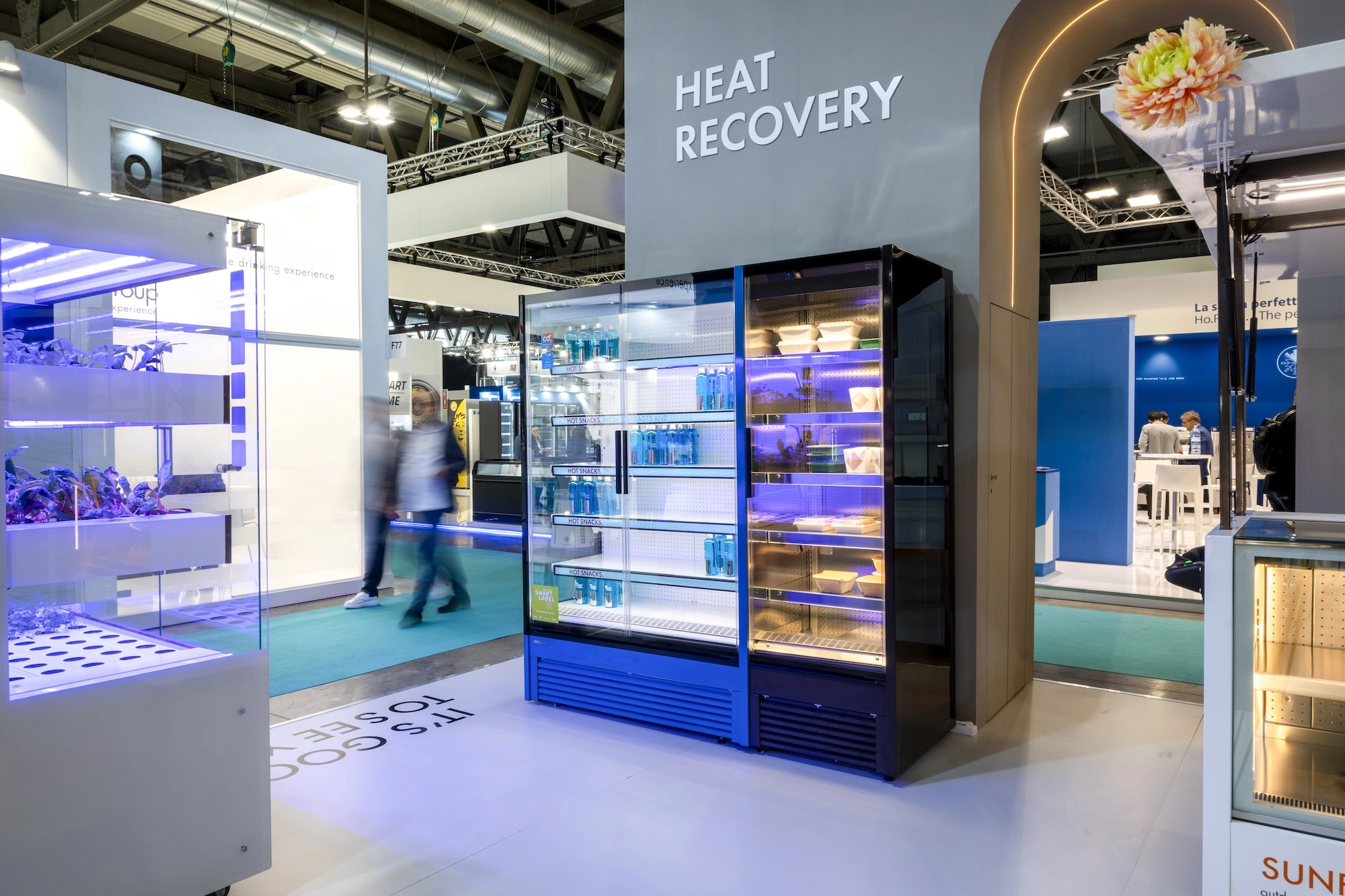
The EFCar project is part of the PT Smart Retail mobilising agenda and focuses on the development, pilot implementation and validation of a new in-store transport device to enable continuous replenishment workflows in food retail. The solution was designed to overcome the operational, ergonomic and safety limitations observed in the use of pallet jacks during mass replenishment and conventional multi-replenishment carts during store opening hours. The EFCar integrates higher useful load capacity, modular compartments for operational tools (stock-out scanning device, step ladder) and a dedicated compartment for cardboard waste, enabling a single-flow replenishment process from backroom to shelf without auxiliary carts. The pilot was conducted in a real store environment in collaboration between the University of Minho and SONAE MC, targeting measurable improvements in operational efficiency, ergonomics and safety.
Project at a glance
This is an in-store logistics pilot carried out in a real retail environment, aimed at reconfiguring last-meter replenishment operations. The solution combines a redesigned transport cart with continuous replenishment procedures, reducing dependence on pallet jacks in customer areas, minimizing product returns to the backroom and consolidating replenishment and waste collection in a single device. The EFCar supports Retail 5.0 and Lean Retail principles by reducing non-value-added micro-tasks, transport waste and ergonomic risk.
Objectives
- Reduce the use of pallet jacks and heavy handling equipment in customer areas.
- Improve replenishment efficiency by reducing transport time, search time for handling equipment and product returns to the backroom.
- Increase workplace safety and ergonomic conditions during in-aisle replenishment activities.
- Enable continuous replenishment flows compatible with lean in-store logistics concepts.
- Develop a scalable and replicable cart-based solution adaptable to different store layouts and categories.
.webp)
What we delivered
- Design and pilot deployment of EFCar units with increased useful transport volume (≈0.46 m³).
- Integration of compartments and holders for operational tools (stock-out scanning device, step ladder).
- Integration of a dedicated cardboard waste compartment (≈0.20 m³), eliminating the need for a separate waste cart.
- Replacement of pallet jack usage in customer areas during replenishment activities in the pilot scope.
- Before–after operational assessment in a real store environment focusing on efficiency, ergonomics and safety.
- Contribution to the validation of a continuous replenishment work system aligned with WP3 objectives of the PT Smart Retail Agenda.
Metrics / KPIs
Operational efficiency improvement
Value: ~45%
Measurement Method: Time study (before–after replenishment cycle)
Impact Dimension: Operational efficiency
Notes: Gains driven by reduced transport time, equipment search time and fewer backroom returns
Replenishment cycle time reduction
Value: Significant (≈40–50%)
Measurement Method: Direct observation / time-motion analysis
Impact Dimension: Productivity
Notes: Depends on aisle length, product mix and store layout
Transport time per replenishment run
Value: Reduced
Measurement Method: Time-motion analysis
Impact Dimension: Operational efficiency
Notes: EFCar enables single-flow transport from backroom to shelf
Search time for handling equipment
Value: Eliminated
Measurement Method: Process observation
Impact Dimension: Lean waste reduction
Notes: No need to locate pallet jacks or auxiliary carts
Backroom return of products
Value: Reduced
Measurement Method: Before–after count of returns
Impact Dimension: Flow efficiency
Notes: EFCar supports pre-sorted, task-oriented picking
Ergonomic risk reduction
Value: ~60%
Measurement Method: Ergonomic assessment (postural load, push/pull force)
Impact Dimension: Ergonomics
Notes: Reduction in force applied and awkward postures during transport
Safety risk reduction
Value: ~60%
Measurement Method: Risk assessment (incident likelihood/severity)
Impact Dimension:Safety
Notes: Lower risk of overexertion, entrapment and collision
Use of pallet jacks in customer areas
Value: Eliminated (pilot scope)
Measurement Method: Process audit
Impact Dimension: Safety & customer experience
Notes: Reduces obstruction and visual clutter in aisles
Useful transport volume per EFCar
Value: ~0.46m³
Measurement Method: Technical specification
Impact Dimension: Capacity & productivity
Notes: Higher capacity than conventional multi-replenishment carts
Integrated cardboard waste capacity
Value: ~0.20m³
Measurement Method: Technical specification
Impact Dimension: Operational efficiency
Notes: Eliminates need for a dedicated waste cart
Number of transport devices per replenishment task
Value: Reduced
Measurement Method: Process mapping
Impact Dimension: Lean waste reduction
Notes: Consolidation of transport and waste collection
Aisle obstruction during replenishment
Value: Reduced
Measurement Method: Visual audit / customer flow observation
Impact Dimension: Customer experience
Notes: Improved aisle accessibility during store opening hours
Replicability across stores
Value: High
Measurement Method: Design assessment
Impact Dimension: Scalability
Notes: Adaptation required for different layouts and category mixes
Summary
The EFCar project redesigns in-store transport for food retail to improve efficiency, ergonomics, and safety. Developed and validated in a real store environment, the solution replaces multiple handling devices with a single cart that supports continuous replenishment workflows. By consolidating transport, tools, and waste collection, it reduces non-value-added tasks, minimizes equipment movement in customer areas, and enables a more streamlined and scalable replenishment process.

.webp)



